
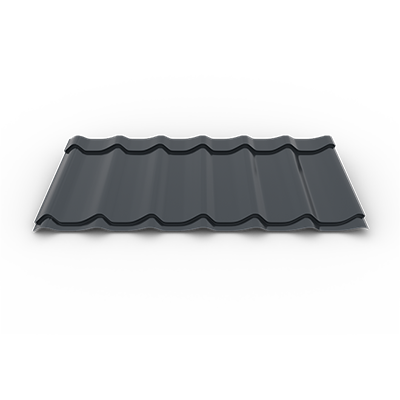
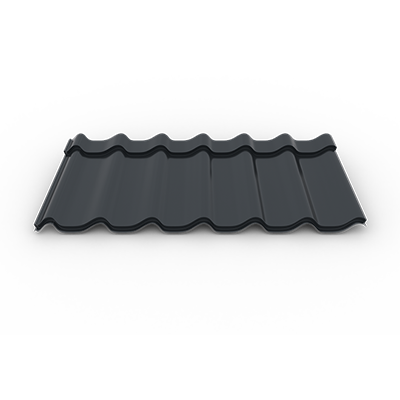
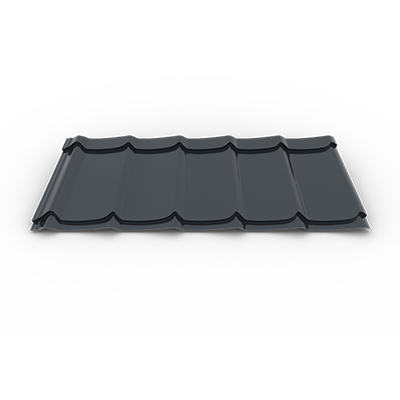
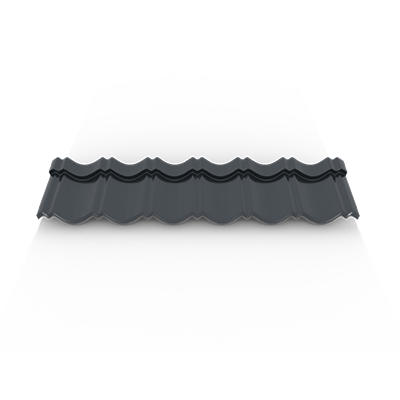
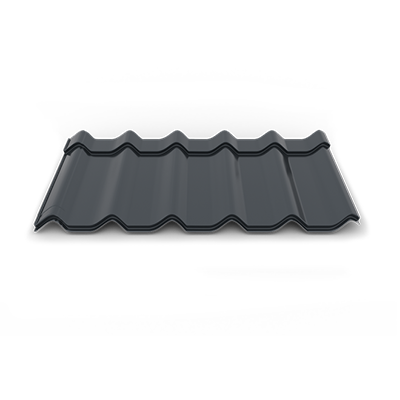
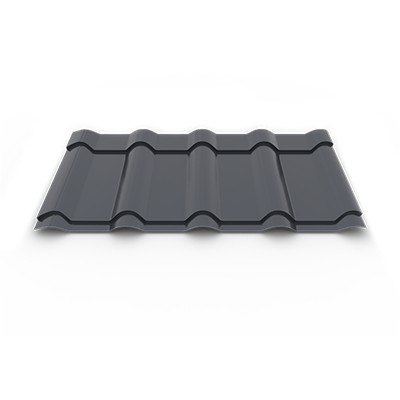
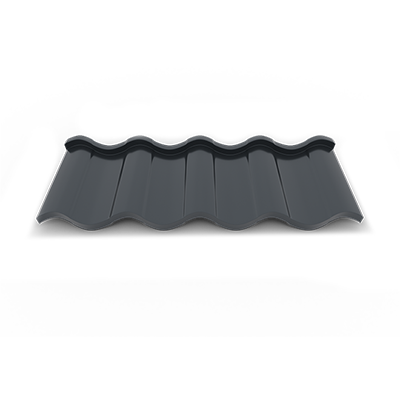
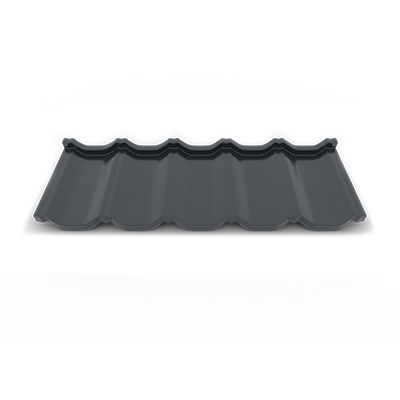
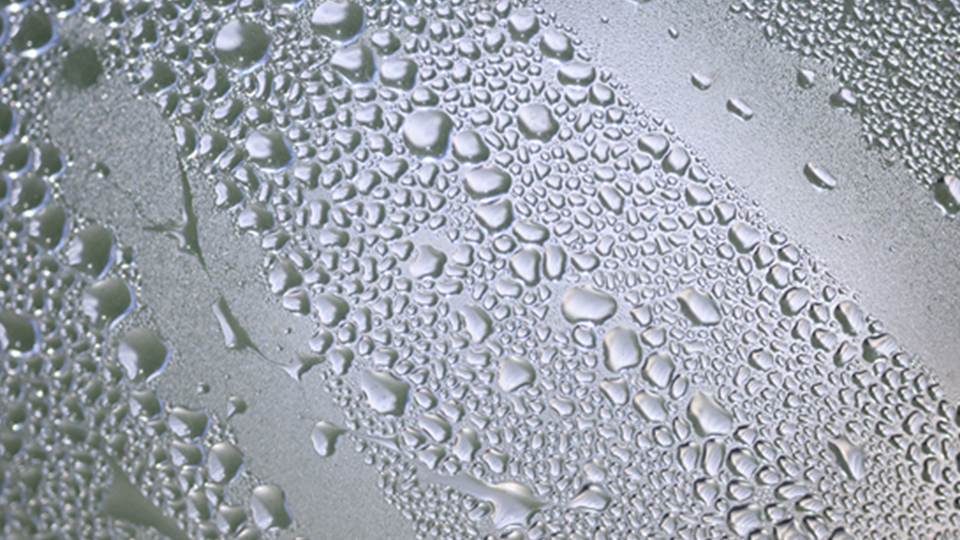
The appearance of condensation during storage or installation may affect the warranty of the metal roof. Find out how it occurs, what risks it involves, and how to prevent it properly.
Condensation – the invisible danger for the metal roof
A metal roof is generally chosen for its strength, low weight, and durability. However, one of the greatest enemies of this type of system is not necessarily rain or snow, but condensation.
Unlike other visible problems, condensation acts discreetly. It can occur during storage, transport, or after installation, and its effects may only become visible after some time. In many cases, the owner only sees the final result: stains, corrosion, or surface damage.
It is important to understand that, under the conditions of most manufacturers, problems caused by condensation are not considered manufacturing defects. For this reason, improper storage or installation may lead to the cancellation of the warranty.
What is condensation and why does it occur?
Condensation occurs when humid air reaches the dew point, meaning the temperature at which water vapor turns into liquid.
In practice, this phenomenon is favored by two conditions:
- a high amount of moisture in the air
- temperature differences between the material and the surrounding environment
For a sheet metal roof, this may mean water accumulation between panels, on their underside, or in poorly ventilated areas.
The consequences may include:
- the appearance of moisture between the metal panels
- the onset of internal corrosion
- stains on the paint layer
- premature deterioration of the anti-corrosion protection
That is why condensation should not be treated as a minor detail, but as a real factor that can influence the lifespan of the system.
When does the problem occur most often?
In practice, there are several situations in which the risk of condensation increases significantly. Many of them occur even before the roof is installed.
The most common situations are:
- the panels are stored outdoors for more than 72 hours
- the storage area is not dry and ventilated
- the products are kept near water or other materials that retain moisture
- the bundles remain tightly packed and do not allow air circulation
- the roofing system does not have proper ventilation between the eaves and the ridge
These situations may seem trivial, but over time they encourage the formation of condensation and corrosion on the underside of the panels.
Why does condensation affect the warranty?
Many owners believe that any occurrence of rust or stains on roofing sheet metal should be covered by the warranty. In reality, if the problem is caused by condensation, it may be excluded from the warranty conditions.
Typically, the warranty does not cover:
- corrosion coming from the underside of the panels
- products stored in aggressive environments with high humidity, salt, ammonia, or chemical vapors
- lack of ventilation in the substructure
- improper storage before installation
These exclusions exist because the material is not defective from the factory. The problem occurs because of environmental conditions or the way the product was handled.
Therefore, condensation is considered a consequence of improper use, not a product defect.
What happens if the panels are stored incorrectly?
The period between delivery and installation is very important. Even if the metal roof is new and of good quality, improper storage can create problems before the material even reaches the house.
If the panels are left outdoors, incompletely covered, or in areas with high humidity, water can seep between the sheets. If the air does not circulate, the moisture remains trapped and condensation forms.
Under these conditions, the following may appear:
- whitish marks
- stains on the painted surface
- corrosion on the underside
- partial sticking of the panels to one another
These effects can compromise both the appearance and the long-term performance of the sheet metal.
How do you prevent condensation on a metal roof?
Prevention is essential. In the case of a metal roofing system, a few simple measures can significantly reduce the risk of condensation.
The most important recommendations are:
- store the panels in dry and ventilated spaces
- do not keep the bundles outdoors longer than the permitted period
- install the product within a maximum of 3 months from purchase, if this is the condition specified by the manufacturer
- avoid contact with cement, stagnant water, salts, or aggressive substances
- ensure proper roof ventilation
- use diffusion membranes and proper vapor control solutions
These rules are not just general recommendations. They directly contribute to maintaining the warranty and extending the roof’s lifespan.
Common mistakes that encourage condensation
On the construction site or during the storage period, there are several common mistakes that create ideal conditions for condensation.
Among the most frequent are:
- storing the panels directly on the ground
- completely sealing the bundles without air circulation
- installation without a ventilation gap
- lack of the proper foil or membrane
- delaying installation too long after delivery
In many cases, these mistakes are considered minor, but their effects can be costly and difficult to remedy.
Why is roof ventilation essential?
A well-ventilated metal roof performs better and lasts longer. Ventilation allows water vapor to be removed and reduces the risk of it turning into condensation.
A properly designed system includes:
- air intake at the eaves
- air circulation beneath the roofing
- air discharge at the ridge
- suitable membranes for vapor control
Without these elements, even a good material can develop problems over time.
Conclusion
Condensation is not a manufacturing defect, but a consequence of environmental conditions and the way roofing sheet metal is stored or installed. That is precisely why it can affect not only the appearance and durability of the system, but also the validity of the warranty.
A well-ventilated metal roof, stored correctly and installed according to instructions, has a longer lifespan and maintains its performance over time.
If you want to protect your investment in a metal roof, check the storage, ventilation, and usage conditions recommended by the manufacturer before installation. A good system starts with the right details.